
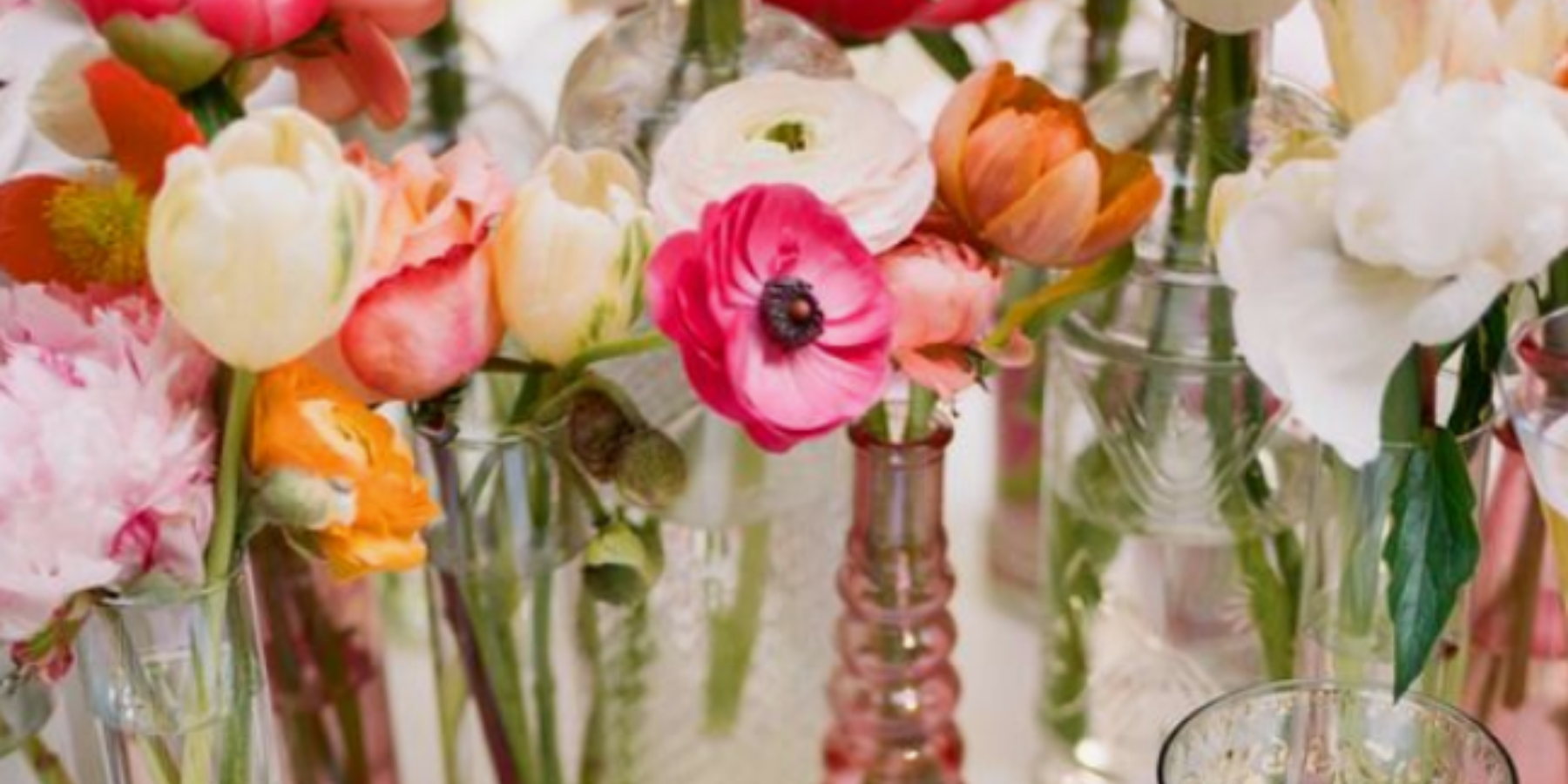
What Are Wedding Day-of Details and Why Do They Matter?
There is a particular moment that happens when couples look back at their wedding photos for the first time.
It is not always the big moments that stop them. It is often the small ones. A ceremony program arranged with care at the entrance. The menu card tucked into a folded napkin. Or a table number that actually felt like it belonged on the table.
These are your day-of details. And most couples were already planning to have them.
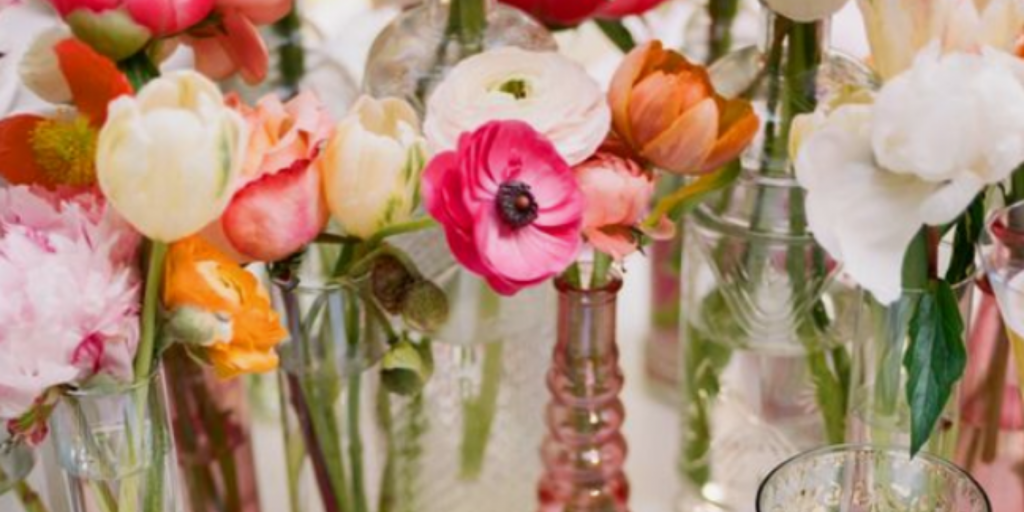
The question is not whether to include them. It is whether to think about them with a little more intention before the day arrives.
What Day-of Details Actually Are
Day-of wedding details are the physical elements that accompany your guests through the experience: ceremony programs, menu cards, escort cards, table numbers, welcome gifts, favor packaging, invitation suites.
Most couples were already planning to have the majority of these. What changes when you think about them intentionally is how they function. A well-considered detail is not just functional. It gives your photographer something to work with and gives your guests something to feel.
Each piece does not need to match everything else precisely. It does need to reflect something true about you and your partner. That consistency is what makes a collection of wedding day-of details feel cohesive rather than assembled.
How I Approach Wedding Styling
When I am designing your day, I am thinking about the light, the sequence of events, and what will be ready to photograph before the ceremony begins.
I travel with a styling kit and personally arrange detail shots for rings, invitations, welcome gifts, and favors. Whether we are working on Nantucket, in Boston, or at a private estate elsewhere in New England, this is not something you should be thinking about on your wedding day. It is something I hold so you do not have to.
What you can think about, before the day arrives, is which elements feel meaningful enough to invest in.
The Details Worth Your Attention
Ceremony programs. Keep them simple. Think about how they will be presented. Handed to guests at the entrance, placed at each seat, or gathered in a basket near the door. The display is part of the detail.
Menu cards. If your venue does not include a charger plate, a menu card fills that space intentionally. Tucked into a napkin fold or laid flat, it signals care without demanding attention.
Escort cards. There is nothing wrong with a clean, simple escort card. If you want to add one layer of visual interest, consider a linen in a contrasting color beneath the display. Ceremony florals often move beautifully to this table after the processional.
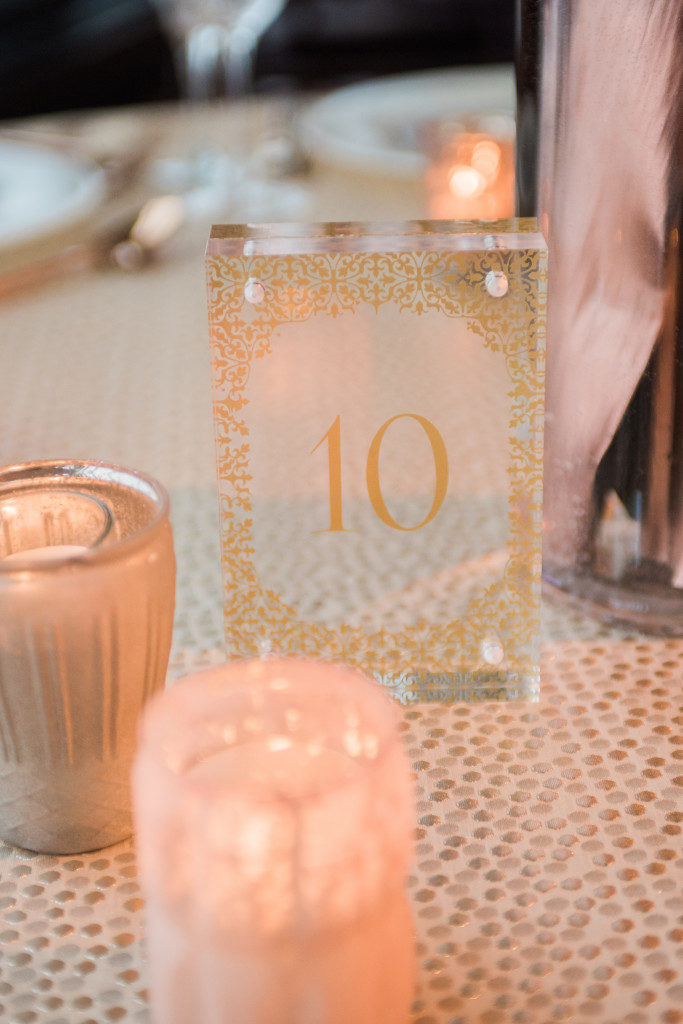
Table numbers. This is where I encourage couples to move away from printed paper. A dimensional element, a piece of slate, a vintage plate, a small wood block, does more for your tablescape than a flat number ever will. It gives the table a point of interest that photographs well and reads as considered.
A Note on What This Actually Requires
Wedding styling does not require a large budget. It requires decisions made with intention rather than at the last minute.
When the small details are chosen thoughtfully, they do quiet work throughout your entire day. Your guests notice. Your photographer notices. And when you look back at your photos, you will too.
The day-of details that tend to make the biggest impression are not necessarily the most expensive ones. They are the ones that were considered early enough to be placed with purpose rather than arranged in a rush.
FAQ about Wedding Day-of Details
Do I need to hire a stylist for my wedding day details? Not necessarily. If you are working with a full-service wedding planner, detail styling is often part of what they hold. Ask specifically what is included in your planning package so nothing falls through the gaps.
How far in advance should I finalize my day-of details? Most printed materials like programs, menus, and escort cards should be finalized four to six weeks before your wedding date. This gives time for proofing, printing, and any adjustments without pressure.
What if my details do not match each other exactly? They do not need to. Cohesion comes from a consistent feeling or visual thread, not identical design. A shared color, paper stock, or typographic style is enough to make elements feel intentional together.
Can I use rental items for styling details like linens or tabletop elements? Yes, and often this is the most practical approach. Rental companies that serve the wedding industry typically carry a wide range of options. Your planner or designer can advise on what is worth renting versus purchasing.
Small Details, Lasting Work
Wedding day-of details are one of those areas where small decisions make a lasting difference. Not because they are expensive or complicated. Because they are considered.
The couples who look back at their photos and feel something beyond the big moments are usually the ones who gave these elements a little more thought before the day arrived. Not perfection. Just intention.
If you are in the early stages of planning and want to see how design choices come together in practice, thelookbook shows what intentional styling looks like across real weddings. If you are curious how ceremony design and day-of details connect, the ceremony workshop walks through that thinking in depth. And if you are ready to start a conversation about your own day, reaching out is a good place to begin.


SHARE